


You can keep a healthy, manageable beard on a multi-day camping trip by packing a small, unscented, multipurpose kit and using waterless or low-water cleaning with a two-minute daily routine. Minimal gear plus the right technique beats a full bathroom counter every time.
- Pack: travel-size beard oil, a compact balm or butter, and a folding comb
- Clean: wipes, dry shampoo, or a concentrated no-rinse wash instead of a full shower
- Maintain: a two-to-five-minute routine each morning and evening keeps tangles and odor in check
Pro Tip: Choose unscented formulas over your favorite fragrant blend. Scented oils and balms can draw insects and, in bear country, curious wildlife straight to your tent.
Key Takeaways
A minimalist, unscented, multipurpose kit combined with waterless or low-water cleaning and a short daily routine keeps a beard healthy through any multi-day camping trip.
| Point | Details |
|---|---|
| Pack multipurpose and unscented | A travel oil, a compact balm, and a folding comb cover cleaning, conditioning, and detangling in one small kit. |
| Skip water when you can | Wipes, dry shampoo, and concentrated no-rinse wash handle most days without needing a full shower. |
| Match products to climate | More oil in heat, lighter balm in humidity, extra conditioning and fast drying in cold and wet conditions. |
| Avoid scented products | Fragrance in oils and balms can attract insects and wildlife, so store everything with food and choose unscented. |
| Reset fully after the trip | A gentle wash, deep conditioning, and a skin check for ticks or irritation restores the beard once you’re home. |
| Build the kit with Ironwood Grooming | King Beard Oil, Nuit Vegan Beard Butter, and the Deer Beard Comb cover conditioning, hold, and detangling in travel sizes. |
Table of Contents
- What Should Go in a Packable Beard-Care Kit?
- How Do I Clean My Beard Without a Shower?
- How Do You Protect a Beard in Different Camping Climates?
- Are Scented Beard Products Safe for Camping?
- What’s a Realistic Daily Beard Routine for Camping?
- How Do You Trim and Fix a Beard on the Trail?
- How Do You Reset Your Beard After a Camping Trip?
- How Should You Hydrate Beard Skin While Camping?
- Does Trail Diet Affect Beard Health?
- How Do You Groom in Extreme Weather With Limited Water?
- How Do You Treat Beard Itch and Irritation While Camping?
- How Do You Dispose of Beard-Care Waste Responsibly?
- Why Minimalist Beard Care Actually Works Better in the Field
- What to Pack From Ironwood Grooming for Your Next Trip
- Sources
What Should Go in a Packable Beard-Care Kit?
The best camping beard kit does five jobs with the fewest items possible: clean, condition, detangle, trim, and manage waste. Every ounce you carry above that is dead weight on a multi-day backpacking trip, and every extra bottle is one more thing that can leak in your pack.
Field-tested advice for outdoor beard care consistently lands on the same short list: a compact comb or brush, a small-volume wash, an unscented oil or balm, wipes, and a compact trimming tool for anything longer than a weekend trip, according to The Dyrt’s outdoor beard care guide. Here’s how to build that kit without overpacking:
- Conditioning oil: a 10 to 30 ml bottle of a travel-friendly formula like King Beard Oil covers a week or more of daily use and fits any hip-belt pocket.
- Balm or butter: a 4 to 8 ml tin, such as a travel-size Nuit Vegan Beard Butter, adds hold and moisture without the bulk of a full-size jar.
- Cleansing: a solid beard soap bar or a 1 to 2 oz travel bottle of concentrated wash, plus a small pack of biodegradable wipes for days without water access.
- Trim and repair: folding scissors or a mini comb for shaping, packed separately from your food storage.
- Waste bag: a dedicated zip pouch for used wipes and packaging so nothing ends up on the trail.
Travel editors who cover camping gear echo the same rule: multipurpose, unscented toiletries beat specialized products when pack weight matters, according to Men’s Health’s camping toiletries guide. One oil that handles beard, skin, and even a squeaky hinge on your pack buckle earns its spot. Three single-purpose products rarely do.
Safety note: any scented product, no matter how small, can attract insects or animals. Store your entire kit inside a sealed bag with your other scented items, not loose in a tent pocket.
How Do I Clean My Beard Without a Shower?
You don’t need running water to keep a beard clean on the trail. Four methods handle almost every situation you’ll face on a multi-day trip.
- Wipes first. A single unscented wipe run through the beard removes surface dirt, sweat, and trail dust in under a minute. Carry biodegradable wipes and pack them out, never bury them.
- Dry shampoo or powder for arid stretches. These products absorb oil at the roots and extend the gap between real washes, which makes them especially useful in dusty or dry climates according to WebMD’s guide to dry shampoo. Work a small amount in at the skin, wait a minute, then brush through.
- No-rinse concentrated wash when you want a deeper clean. A few drops worked into damp hair, then wiped off with a cloth, lifts odor and buildup without needing a rinse cycle.
- Splash-and-dry when water is available. Wet the beard from a water bottle or stream (following local regulations), work in a small amount of soap, then splash-rinse using cupped hands to minimize runoff. Wring gently and finish with a microfiber towel, which pulls moisture out far faster than air-drying alone.
Pro Tip: Skip alcohol-heavy washes and wipes. Over-drying triggers rebound oiliness and irritated skin, a pattern dermatologists see often in oily-skin research from Cleveland Clinic, and it’s the last thing you want three days from a shower.
How Do You Protect a Beard in Different Camping Climates?
Your routine needs to flex with the weather. What works in the desert will backfire in a rainstorm.
- Hot and dry: apply oil more often, since heat and low humidity pull moisture out of hair fast. Sunscreen on exposed skin under a thinning beard matters too.
- Humid or wet: switch to a lighter balm. Heavy products trap moisture against the skin and invite irritation in sticky conditions.
- Cold and wet: lean into extra conditioning and prioritize fast-drying methods, since a damp beard in freezing air is uncomfortable and can chill your face.
- Windy or smoky campsites: a balm with more hold keeps hair from whipping into your eyes, and a quick wipe-down after sitting near the fire clears soot before it settles into the skin.
Pro Tip: If you know a long, hot hike is coming, apply oil the night before so it has time to fully absorb rather than sitting on the surface and stinging your eyes with sweat. In cold weather, keep your oil in an inside jacket pocket. Oils thicken and pour poorly once they get cold.
Hydration plays into all of this. Dehydrated skin under the beard gets flaky and itchy regardless of what you apply on top of it.
Are Scented Beard Products Safe for Camping?
Scented beard products are one of the more overlooked risks in backcountry hygiene. Fragrance compounds in oils and balms read to insects and animals the same way food scraps do, and outdoor experts are blunt about it: unscented is the safer default for anyone camping in bear country or heavily wooded areas, per reporting from Men’s Health.
A few simple habits close most of the risk:
- Store every scented item, grooming products included, in the same sealed bag as your food.
- Skip a heavy application of oil or balm right before bed, when scent lingers longest near your tent.
- Choose unscented formulas as your default for multi-day trips, saving fragrant products for day hikes or car camping.
- Keep grooming products and food completely separate in your pack and at camp.
Campfire soot is a smaller but real issue. A quick wipe with a damp cloth or biodegradable wipe lifts residue before it works into the hair shaft and dulls your beard’s texture.
What’s a Realistic Daily Beard Routine for Camping?
A functional trail routine takes less time than boiling water for coffee. Here’s a version built around three quick touchpoints:
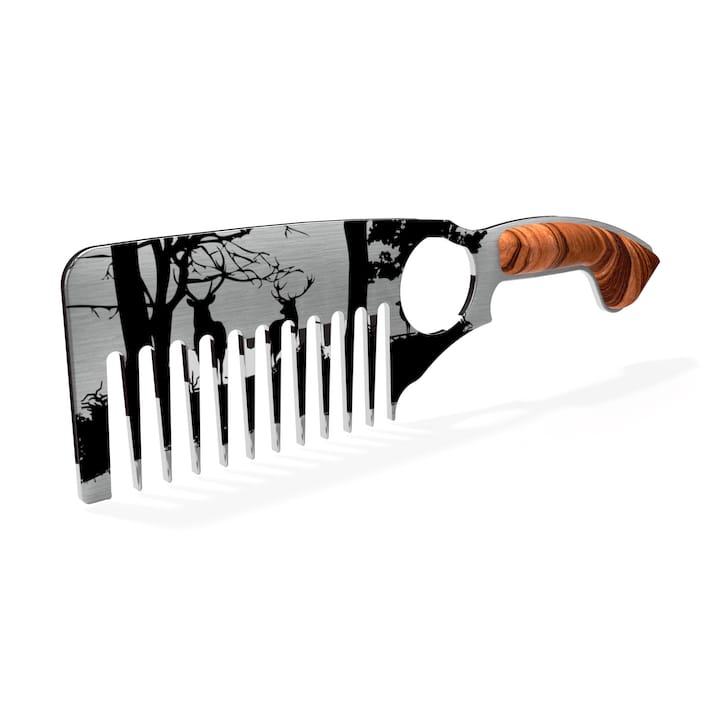
- Morning (2 minutes): splash water on the beard if available, comb through with the Deer Beard Comb to detangle overnight snarls, and apply a few drops of oil.
- Midday (1 to 2 minutes): a quick wipe or a brush-through removes trail dust and sweat before it sets in.
- Evening (1 minute): work in a small amount of balm or butter to lock in moisture before you sleep.
A full wash isn’t a daily requirement. Save it for every second or third day, or whenever you’ve been sweating heavily or sitting in smoke, and lean on wipes and oil in between. Fold beard care into tasks you’re already doing at camp, like washing your hands or filtering water, so it never feels like a separate chore.
How Do You Trim and Fix a Beard on the Trail?
A minimal trimming kit handles almost every on-trail problem: folding scissors, a battery-powered mini trimmer if you have room, and a small comb for shaping. A pre-trip trim three to five days before departure reduces burr pickup and drying time from the start.
- Burrs: work them out gently with a fine-tooth comb rather than yanking, which just tears hair.
- Matting: apply a drop of oil first to add slip, then comb from the ends toward the skin.
- Blowout tangles: finger-detangle the worst knots before reaching for the comb.
- Stray cuts: trim only in good light. A rushed cut close to the skin in dim conditions is how nicks happen.
How Do You Reset Your Beard After a Camping Trip?
Coming off the trail calls for a real reset, not just another wipe-down.
- Wash thoroughly with a gentle, beard-specific shampoo. Dermatologists recommend cleansers formulated for facial hair since they clean without stripping the natural oils that keep skin underneath calm, according to the American Academy of Dermatology.
- Deep condition with balm or oil worked all the way to the skin, not just the visible hair.
- Comb through completely to clear out trapped debris, then trim any damaged or split ends.
- Check your skin. Look closely for ticks, rashes, or persistent redness. Anything that doesn’t clear up in a few days is worth a call to a dermatologist rather than waiting it out.
Dusty or salty trips leave hair dry and brittle at the ends. A few extra days of nightly conditioning restores most of that texture.
How Should You Hydrate Beard Skin While Camping?
Beard skin dehydrates faster on the trail than most people expect, mostly because sun, wind, and elevation all pull moisture out at once while you’re focused on hiking, not your face. The skin under a beard doesn’t get the same airflow as the rest of your face, so sweat and oil build up while moisture underneath still drops.
Topical hydration matters here as much as anything you drink. A light layer of oil applied to damp skin traps in moisture better than applying it to dry hair, since the water underneath gets sealed in rather than evaporating off immediately. If you only have a few ounces of water to spare for grooming, a light misting on the beard before oiling gets you most of the benefit of a full wash.
Internal hydration backs up whatever you’re doing topically. Men generally need around 3.7 liters of total fluids a day, and that number climbs with heat, elevation, and physical exertion, according to Healthline’s hydration guidelines. Skip that intake on a hard hiking day and your skin shows it first, usually as tightness, flaking, or an itchy jawline that no amount of balm fully fixes.
If you’re rationing water on a multi-day trip, prioritize drinking it over using it externally. A dehydrated body will produce dry, brittle beard hair no matter how much oil you apply from the outside.
Does Trail Diet Affect Beard Health?
What you eat on the trail shows up in your beard within a few days, not weeks. Freeze-dried meals heavy in sodium pull water toward your bloodstream and away from skin and hair, which compounds any dehydration you’re already running from hiking.
Protein matters too. Hair is largely structural protein, and multi-day trips heavy on carbs and light on protein (jerky, nut butter, dehydrated eggs) can leave hair looking duller by day three or four, even with a solid oiling routine. This isn’t a dramatic effect over a short trip, but it’s a real one on trips longer than five or six days.
Fat intake plays a role as well. A diet with some healthy fats, trail mix, nut butter, olive oil packets, supports the skin’s own oil production, which works alongside topical products rather than against them. Cutting fat to save pack weight on an already water-restricted trip is a common way beard skin ends up flaky by the end of the week.
The fix isn’t complicated: prioritize hydration and a reasonable protein and fat intake over strict calorie minimalism, and your beard care routine will do the rest of the work.
How Do You Groom in Extreme Weather With Limited Water?
Extreme heat and extreme cold both push beard grooming into rationing mode, and the strategies for each look different.
In hot, arid conditions, dry shampoo and oil-absorbing wipes do most of the heavy lifting since sweat and dust build up fast but water is often scarce. A small amount of powder worked into the roots, brushed out after a minute, handles what would otherwise require a full wash. Save your actual water for a splash-rinse only every second or third day.
In cold, wet conditions, the challenge flips: water might be everywhere, but drying is the problem. A wet beard in freezing temperatures is uncomfortable and can chill your face fast, so a quick microfiber towel dry after any water contact matters more than the wash itself. Keep balm application light in these conditions since a heavy layer combined with dampness can trap moisture against the skin longer than you want.
High-altitude trips add another layer: thinner air and intense UV mean skin dries out faster even in cold temperatures, so oil application becomes about skin protection as much as beard conditioning. If you’re planning a high-elevation multi-day trip, checking your gear list against high-altitude essentials before departure saves you from discovering gaps at 10,000 feet.
The common thread across both extremes: water goes toward drinking first, spot-cleaning second, and a full wash only when conditions allow it.
How Do You Treat Beard Itch and Irritation While Camping?
Itch and irritation on multi-day trips almost always trace back to one of three causes: dried-out skin, trapped sweat and dirt, or a product that’s too harsh for daily outdoor use.
For dryness, a few drops of oil worked directly into the skin, not just the visible hair, solves most mild cases within a day. For sweat-related irritation, a quick wipe-down before it sets in prevents the itch from starting in the first place. For product-related flare-ups, switching to a gentler, alcohol-free wash usually calms things down within 24 to 48 hours, since harsh cleansers strip natural oils and trigger the same rebound irritation seen in oily skin research.
Persistent redness, small bumps, or itching that doesn’t ease with a gentler routine can signal folliculitis or a reaction to a specific ingredient. Readers with sensitive skin should lean on gentle, unscented formulas from day one rather than waiting for irritation to show up mid-trip. If irritation persists beyond a few days of at-home care, that’s the point to see a dermatologist rather than keep experimenting with products on the trail.
How Do You Dispose of Beard-Care Waste Responsibly?
Leave-no-trace principles apply to grooming waste just as much as food waste. A used wipe, an empty balm tin, or a spent razor cartridge left at a campsite doesn’t decompose on any useful timeline.
Pack a dedicated small bag for used wipes, packaging, and any disposable trimming supplies, and carry everything out with your regular trash. Never bury wipes, even ones labeled biodegradable, since decomposition in soil takes far longer than most trip lengths and animals often dig them up anyway.
Choosing solid products over liquids where possible, a bar soap instead of a bottle, cuts down on packaging altogether. Refillable tins for balm and oil reduce single-use plastic across repeated trips, which matters more the more often you’re out. A little planning before departure means less to carry out at the end.
Why Minimalist Beard Care Actually Works Better in the Field
Ironwood Grooming builds small-batch formulas that get tested against exactly this kind of trip, multiple days, limited water, and gear that has to earn its place in a pack. The recurring lesson from that field-testing is simple: fewer products, used consistently, outperform a full grooming shelf packed down to travel size.
Most men overpack for trips because they’re trying to replicate a bathroom routine outdoors. That’s backwards. The trail rewards a routine built for water access, these plant-based, travel-friendly formulas that hold up without a sink.
What to Pack From Ironwood Grooming for Your Next Trip
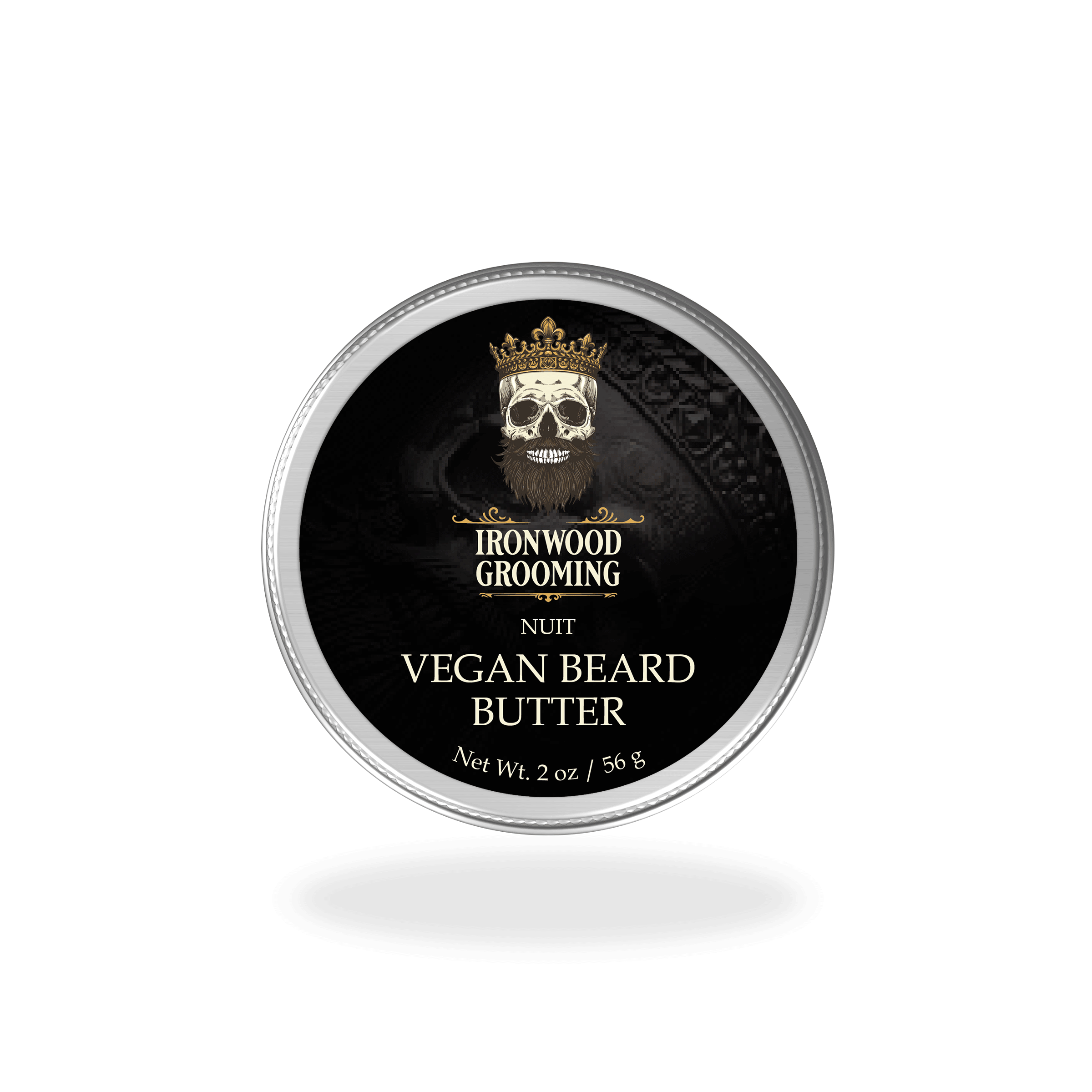
Building a kit that earns its weight means choosing products that do one job well and pack down small. For hydration on the trail, King Beard Oil is formulated to condition skin and hair without a heavy scent load, making it a straightforward pick for a multi-day pack. For hold and moisture in one tin, a travel-size Nuit Vegan Beard Butter handles the evening step of your routine without adding another bottle to your bag.
For detangling, a compact tool matters more than people expect. The Deer Beard Comb is built to clear trail debris and work oil through coarse hair without the bulk of a full-size brush.
If you’re putting together a kit for an upcoming trip, Ironwood Grooming’s product lineup makes it simple to grab the travel-friendly essentials in one order rather than piecing together separate purchases before you leave.
Sources
- Aad
- Health
- What a Grooming Editor Packs in His Camping Toiletries Kit — MensHealth
- Personal grooming tips and an outdoor beard care kit — The Dyrt
- Healthline
Recommended
- Travel Grooming Kit: How to Pack Beard Care Without the Bulk | Ironwood Grooming
- Backcountry Grooming Kit: What Every Adventurer Needs – Ironwood Grooming
- How to Build a Complete Beard Care Routine (Morning + Night) | Ironwood Grooming
- Compact Grooming Kit Items List for Men in 2026 – Ironwood Grooming

