


The fastest way to soften a coarse, wiry beard is a four-step daily routine: wash with a gentle beard-specific cleanser, towel-dry to damp, apply beard oil while the hair is still slightly wet, then comb or brush from root to tip. Do that consistently, and you’ll feel a difference within days. Structural texture change takes weeks, but the immediate softness after your first proper application is real and noticeable.
Here’s the core routine at a glance:
- Apply King Beard Oil to a damp beard every morning, working it down to the skin
- Spot-trim rigid, wiry whiskers weekly with sharp scissors
- Condition in the shower once or twice a week with a rinse-out beard conditioner
Timeline: Most men notice softer texture within 3–7 days of consistent oiling and brushing. Significant improvement in coarseness takes 4–8 weeks. Full structural change, where the beard feels genuinely silky, can take 3 months or more of daily effort.
Pro Tip: Apply your beard oil immediately after patting your beard damp, not bone dry. Damp hair absorbs oil faster and holds moisture longer. That single habit change is often the difference between a beard that stays soft and one that reverts to wire by noon.
Key Takeaways
A consistent daily routine of gentle washing, immediate oiling on damp hair, and boar-brush distribution is the most reliable way to soften a coarse or wiry beard over days to months.
| Point | Details |
|---|---|
| Oil on damp hair | Apply beard oil within 60 seconds of patting dry for maximum absorption and lasting softness. |
| Brush daily | A boar-bristle brush distributes oil to the skin level and smooths the cuticle, reducing friction and coarseness. |
| Spot-trim weekly | A 15–30 second trim with sharp scissors removes rigid whiskers that resist conditioning and scrape the skin. |
| Timeline is weeks, not days | Expect surface softness immediately, noticeable texture change at 4–8 weeks, and structural improvement at 3+ months. |
| Ironwoodgrooming’s three-product routine | Ultra Soft Beard Wash, King Beard Oil, and Hardwood Beard Boar Brush cover every step of the daily softening routine. |
Table of Contents
- Why your beard feels coarse and wiry
- A step-by-step daily and weekly routine for coarse beards
- What each product actually does for a coarse beard
- Tools and techniques that physically tame coarse hair
- DIY beard oil recipes and home remedies
- Dermatologist-backed skin care under the beard
- How long until your beard actually feels softer
- Troubleshooting common beard problems
- Ongoing maintenance to keep your beard soft long-term
- A grooming expert’s honest take on softening coarse beards
- Ironwoodgrooming’s lineup fits this routine exactly
- Sources
Why your beard feels coarse and wiry
Beard hair is structurally different from scalp hair. The shaft is thicker, the cuticle layer is coarser, and the follicle grows at a sharper angle, which means the hair curls and kinks more easily as it exits the skin. That natural structure is why even a well-maintained beard can feel rough to the touch, especially in the first few inches of growth.
Dryness makes it worse. Beard hair lacks the sebaceous gland support that scalp hair gets, so the skin beneath the beard often can’t produce enough natural oil to coat every strand. Environmental exposure, hard water, and frequent washing with harsh shampoos strip what little moisture is there. Dryness is a primary driver of beard prickliness, and once the cuticle lifts and dries out, the hair catches on itself and on skin, creating that sandpaper sensation.
Hard water compounds the problem in ways most men don’t consider. Mineral deposits left on the hair after rinsing interfere with product absorption and leave a residue that makes the beard feel stiff. If you live in a hard-water area and your beard never seems to respond to conditioning, a shower filter may produce more improvement than any product swap.
Split ends and physical damage are the third culprit. Heat, friction from pillowcases, and neglected trimming all fray the hair shaft. Once a hair splits, no amount of conditioning fully repairs it. The only fix is trimming.
Signs that point to the dominant cause:
- Flaky skin under the beard = dry skin, needs hydration and exfoliation
- Flyaway, frizzy texture = cuticle damage or humidity imbalance, needs coating (oil or balm)
- Stiff, wiry individual hairs that won’t lie flat = structural coarseness or split ends, needs spot-trimming
- Itch without flaking = dryness at the skin level, needs oil applied closer to the root
- Beard feels rough after washing = your cleanser is stripping natural oils
Beard hair grows from a different follicle angle than scalp hair, which is why it curls and kinks more aggressively. Conditioning and coating the cuticle helps it lie flatter sooner, but length and consistent hydration are what produce lasting softness. Patience is part of the routine.
A step-by-step daily and weekly routine for coarse beards
Consistency beats intensity here. A simple routine done every day outperforms an elaborate one done twice a week. Here’s what that looks like in practice, with timing and product order built in.
Daily morning routine
- Rinse or wash. On wash days (3–4 times per week), use a beard-specific wash. On off days, a warm water rinse is enough to remove overnight oils and reset the hair.
- Pat to damp. Don’t rub aggressively. Pat the beard with a towel until it’s damp, not dripping.
- Apply beard oil. Warm 3–6 drops of oil between your palms, then press into the beard from root to tip. Work your fingers down to the skin. This is the most important step for softness.
- Comb first, brush second. Use a wide-tooth comb to detangle from the ends upward, then follow with a boar-bristle brush to smooth the cuticle and distribute oil evenly. Combing and brushing spreads product across every strand and helps cuticles lie flatter, which directly reduces friction and perceived coarseness.
- Apply balm if needed. For longer beards or cold, dry climates, press a small amount of beard balm over the oil to lock in moisture and add light hold.
Pro Tip: Warm the oil between your palms for 5–10 seconds before applying. Warmed oil spreads more evenly and penetrates the hair shaft faster than cold oil straight from the bottle.
Weekly routine
- In-shower conditioning (1–2× per week): After washing, apply a rinse-out beard conditioner and leave it on for 2–3 minutes before rinsing. This is your primary hydration reset.
- Deep conditioning or hot-oil treatment (1× per week): Apply a heavier oil or balm to a clean, damp beard, cover with a warm towel for 10–15 minutes, then rinse. An overnight conditioning treatment is a more intensive version of this, used by men with severely coarse beards.
- Exfoliation (1× per week): Use a gentle facial scrub or a soft brush on the skin beneath the beard to remove dead skin cells and reduce beardruff.
- Spot-trimming: A quick 15–30 second check with sharp scissors removes rigid whiskers that scrape the skin and resist conditioning. Don’t skip this step.
What each product actually does for a coarse beard
Understanding which product does what keeps you from doubling up or skipping something that matters. Here’s the breakdown:
Beard wash vs. regular shampoo: Regular shampoo is formulated for scalp hair and often contains sulfates (SLS) that strip the natural oils from facial hair. A beard-specific wash uses milder surfactants and often includes conditioning agents, so it cleans without drying. Use it 3–4 times per week, not daily, unless your skin is oily.
Leave-in conditioner: Applied after washing and not rinsed out. It softens the hair shaft, reduces frizz, and provides a base layer of moisture before oil goes on. Best for men with very dry or damaged beards.
Beard oil: The daily workhorse for softness. Carrier oils like argan, jojoba, and grapeseed mimic the skin’s natural sebum, penetrate the hair shaft, and coat the cuticle. Jojoba is closest to human sebum and works well for most skin types. Argan adds shine and softness. Grapeseed is lightweight and absorbs quickly, making it a strong choice for men with oily skin.
Beard balm: A thicker product that combines conditioning oils with beeswax or shea butter for hold and coating. Better for longer beards where you need the hair to stay in place. Balm sits on top of the hair more than oil does, so it’s a sealant as much as a conditioner.
Beard wax: Primarily for styling and hold. Wax does very little for softness and can build up on the hair if overused. Use it sparingly and only when you need strong hold.
Ingredient checklist for coarse beards:
- Carrier oils to look for: argan, jojoba, grapeseed, sweet almond, avocado
- Botanical butters: shea butter, mango butter (excellent for coating coarse strands)
- Humectants: glycerin, aloe vera (draw moisture into the hair shaft)
- Avoid: sodium lauryl sulfate (SLS) in washes, drying alcohols (isopropyl, denatured), synthetic fragrance if your skin is sensitive
Pro Tip: Match product weight to beard length. Short beards (under 1 inch) do best with a lightweight oil. Medium beards (1–3 inches) benefit from oil plus occasional balm. Long beards (3+ inches) often need balm or butter daily to stay coated and manageable.
Ironwoodgrooming products that fit this routine:
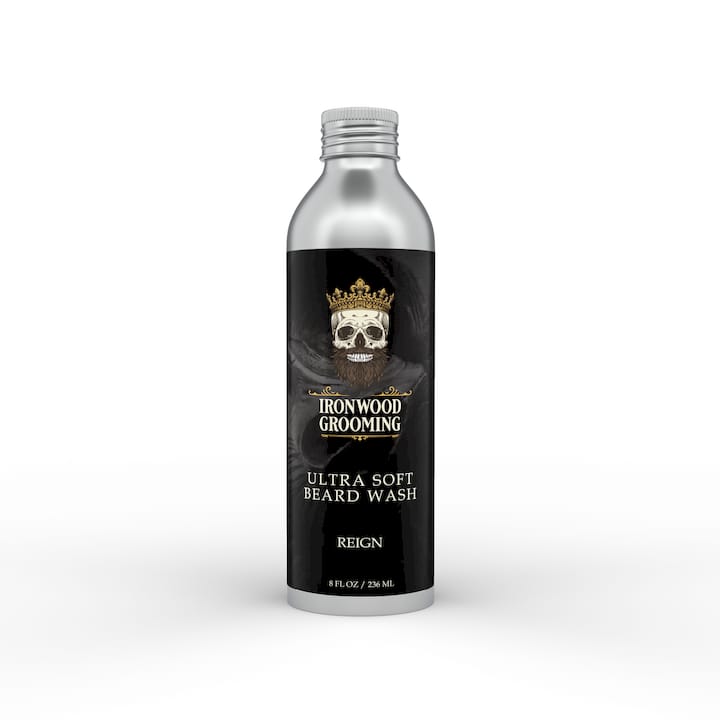
- Ultra Soft Beard Wash: A hydrating, plant-based wash formulated for coarse beards. Use it in the cleansing step to clean without stripping.
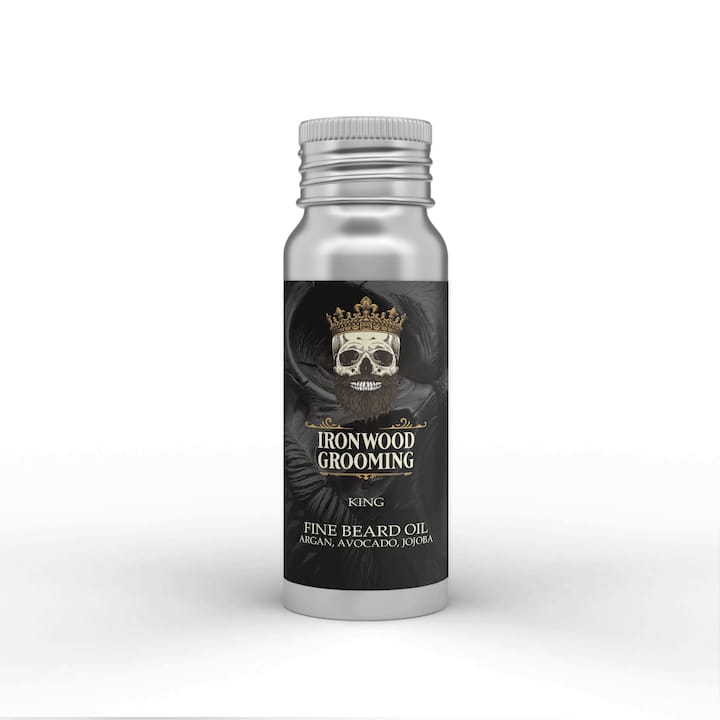
- King Beard Oil: Ironwoodgrooming’s daily conditioning oil, built with carrier oils that penetrate and coat the hair shaft. Apply to a damp beard every morning.
- Hardwood Beard Boar Brush: Natural boar bristles distribute oil evenly from root to tip and smooth the cuticle. Use it after oiling to finish the routine.
The American Academy of Dermatology recommends daily cleansing, prompt moisturizing after washing, and combing to distribute products. That’s the same layered approach: wash, oil, brush, repeat.
Tools and techniques that physically tame coarse hair
Products soften the hair from the inside out. Tools and technique work from the outside in. You need both.
The boar-bristle brush is the single most useful tool for coarse beards. Natural bristles grip the hair, pull oil from root to tip, and smooth the cuticle with each stroke. Synthetic bristles don’t distribute product the same way. Use the brush after oiling, always working downward in the direction of growth.
Wide-tooth comb comes first, before the brush. Start at the ends and work upward to detangle without snapping hairs. Once the beard is detangled, switch to the brush. For men with very dense or curly beards, a wooden wide-tooth comb with no seams reduces snagging.
Blow-dry technique: Set your dryer to low heat. While drying, use the boar brush to pull the beard downward. The combination of heat and directional brushing trains the hair to lie flat over time. Never use high heat directly on a coarse beard. It lifts the cuticle further and makes the problem worse.
Trimming tools:
- Sharp grooming scissors for spot-trimming and split-end removal
- A quality clipper with guards for length maintenance
- Avoid cheap scissors with uneven blades, which crush rather than cut the hair shaft
Technique notes:
- Always trim a dry beard for length. Wet hair appears longer and you’ll cut more than intended.
- Trim with the grain (in the direction of growth) to reduce bulk without creating sharp, scratchy ends.
- For spot-trimming rigid whiskers, hold the hair taut and cut at the base. A 15–30 second check each week removes the worst offenders before they become a problem.
- Trim split ends by holding small sections of beard hair between two fingers and snipping the frayed tips only.
Tool maintenance checklist:
- Clean the boar brush weekly with mild soap and warm water; let it air-dry bristle-side down
- Wipe comb teeth after each use to remove product buildup
- Oil clipper blades after every use to prevent rust and maintain a clean cut
- Replace grooming scissors when they start to crush rather than cut cleanly
DIY beard oil recipes and home remedies
A basic DIY beard oil requires two things: a carrier oil and, optionally, a few drops of essential oil for scent or added benefit. The ratio that works for most men is 2 tablespoons of carrier oil with 3–6 drops of essential oil. Healthline’s grooming guidance confirms this range as safe for most skin types, with a hard ceiling of 10 drops per 2 tablespoons for those who want a stronger scent.
Simple DIY recipes:
- Everyday softening blend: 1 tbsp jojoba oil + 1 tbsp argan oil + 4 drops cedarwood essential oil. Jojoba mimics sebum; argan adds softness and shine.
- Dry skin blend: 2 tbsp sweet almond oil + 3 drops lavender essential oil. Lightweight, non-greasy, good for sensitive skin.
- Coarse beard boost: 1 tbsp avocado oil + 1 tbsp grapeseed oil + 5 drops peppermint essential oil. Avocado is heavier and coats thick strands well.
Which household oils work and when to skip them:
- Coconut oil: Deeply moisturizing and widely available, but highly comedogenic. Avoid it if you have acne-prone skin or clogged pores.
- Olive oil: Works as a short-term softener and is easy to find, but it’s heavy and can leave a greasy residue. Best used as a weekly treatment, not a daily oil.
- Castor oil: Thick and conditioning, but too heavy to use alone. Mix with a lighter carrier (1 part castor to 3 parts jojoba or grapeseed).
Safety rules, non-negotiable:
- Always patch-test a new blend on the inside of your wrist 24 hours before applying to your beard and face.
- Never apply undiluted essential oils directly to skin. Even “gentle” oils like tea tree can cause burns at full strength.
- If you have oily or acne-prone skin, stick to non-comedogenic carriers: grapeseed, jojoba, or hemp seed oil.
DIY blends are a solid temporary fix and a good way to experiment with scents and textures. For daily use over weeks and months, purpose-made products with stable formulations and tested ingredient ratios tend to perform more consistently. Check the vegan beard oil ingredient guide from Ironwoodgrooming for a deeper breakdown of carrier oil properties.
Dermatologist-backed skin care under the beard
The skin under your beard matters as much as the hair itself. Dry, irritated, or flaky skin directly worsens beard texture and causes itch. Board-certified dermatologists are clear on this: treating the skin beneath the beard is the foundation of beard health, not an afterthought.
The American Academy of Dermatology recommends a consistent three-step approach for men with beards: cleanse the face and beard daily with a gentle cleanser suited to your skin type, moisturize immediately after washing while skin is still slightly damp, and use a comb or brush to distribute product and reduce tangles. This sequence addresses dry skin, itch, and perceived coarseness at the source.
Three-step skin plan
- Cleanse: Use a gentle, non-stripping cleanser on the face and beard. For oily or acne-prone skin, choose a salicylic acid wash or a non-comedogenic formula. For dry or sensitive skin, a fragrance-free, cream-based cleanser works best.
- Moisturize immediately: Apply moisturizer or beard oil within 60 seconds of patting dry. That window matters. Skin absorbs product most efficiently when it’s still slightly damp, and locking in that moisture prevents the dryness cycle that makes beards feel rough.
- Comb and distribute: Work a comb through the beard after moisturizing to spread product evenly and stimulate circulation at the follicle level.
Skin type guidance:
- Oily or acne-prone: Use non-comedogenic, lightweight oils (jojoba, grapeseed). Avoid heavy butters or coconut oil directly on the skin.
- Dry: Layer a hydrating moisturizer under your beard oil. Shea butter-based balms work well for the hair itself.
- Sensitive: Go fragrance-free. Many essential oils and synthetic fragrances trigger contact dermatitis in sensitive skin, which looks like redness, itch, and small bumps.
When to see a dermatologist:
- Persistent redness or inflammation that doesn’t clear with gentle cleansing
- Severe beardruff that doesn’t respond to medicated shampoo within 2–3 weeks
- Sudden patchy hair loss (could indicate alopecia barbae)
- Signs of folliculitis: painful, pus-filled bumps at the hair follicles
Pro Tip: Exfoliate the skin under your beard once a week with a gentle facial scrub or a soft-bristle brush. Dead skin buildup is the leading cause of beardruff and contributes to that persistent itch that no amount of oiling seems to fix.
How long until your beard actually feels softer
Expect improvement in stages, not overnight. Here’s what the timeline looks like for most men who follow a consistent routine:
- Immediately (day 1): After your first proper oil application and brush-through, the beard will feel noticeably smoother to the touch. This is surface coating, not structural change, but it’s real and it lasts through the day.
- 1–2 weeks: Hydration builds up in the hair shaft. Flyaways reduce. The beard starts to lie flatter after brushing and holds that shape longer.
- 4–8 weeks: Texture changes become noticeable. The beard feels softer even before you apply product. Skin beneath the beard is less flaky and itchy. This is where consistent men see the biggest payoff.
- 3+ months: Structural improvement. New growth comes in better conditioned from the start. Split ends are reduced if you’ve been trimming regularly. The beard as a whole has a different quality, closer to the silky texture most men are aiming for.
Factors that speed up results: shorter beard length (product penetrates faster), consistent daily routine, high-quality carrier oils, and low-mineral water. Factors that slow results: genetics (some men simply have coarser follicles), hard water, dry or cold climate, and infrequent product use.
A beard moisturizing routine built for thick hair can accelerate the timeline by layering products in the right order. The key insight from barbers is that some wiriness is natural in the early growth phase. Patience, trimming split ends, and consistent conditioning make the beard progressively softer over weeks to months.
Milestone checklist:
- Day 1: Beard feels smoother after oiling and brushing
- Week 2: Fewer flyaways, beard lies flatter
- Week 6: Softer texture without product applied
- Month 3: Noticeably improved overall quality and manageability
Troubleshooting common beard problems
Persistent itch
Cause: Dry skin at the follicle level, often from under-moisturizing or using a harsh cleanser. Fix: Apply oil closer to the skin, not just the hair. Switch to a fragrance-free oil if you’re using one with essential oils. Reduce wash frequency to 3–4 times per week. Check the beard itch guide for a full breakdown.
Beard dandruff (beardruff)
Cause: Dry or irritated skin shedding dead cells, sometimes combined with a mild fungal imbalance (seborrheic dermatitis). Fix: Exfoliate once a week. Use a gentle, medicated cleanser with zinc pyrithione or ketoconazole if standard washing doesn’t clear it in two weeks. Moisturize the skin directly after every wash.
Greasy, heavy feel after oiling
Cause: Too much product, or a carrier oil that’s too heavy for your skin type. Fix: Cut your oil dose in half. Switch to a lighter carrier like grapeseed or jojoba. Apply to damp hair only, never dry. If the greasiness persists, try a leave-in conditioner instead of oil on off-days.
Stubborn wiry hairs that won’t soften
Cause: Split ends, structural coarseness, or hairs that have grown past the point where conditioning alone helps. Fix: Spot-trim them. A 15–30 second trim with sharp scissors removes the worst offenders immediately. Follow with a weekly deep-conditioning mask or hot-oil treatment to address the remaining texture.
Red flags that mean your routine is making things worse:
- New breakouts or clogged pores after starting a new oil (switch to a non-comedogenic carrier)
- Increased redness or burning after applying a product (discontinue and patch-test alternatives)
- Worsening flaking despite consistent moisturizing (may indicate seborrheic dermatitis, see a dermatologist)
Pro Tip: If you’ve changed multiple products at once and something’s going wrong, go back to basics: plain jojoba oil and a fragrance-free wash. Isolate the variable before adding anything back.
Ongoing maintenance to keep your beard soft long-term
Softness isn’t a destination. It’s a result of what you do every day. Here’s the maintenance schedule that keeps a coarse beard manageable without overdoing it:
- Daily: Light oiling (3–5 drops of beard oil to damp beard) and one pass with the boar brush. This takes under two minutes and is the single highest-return habit in the routine.
- 2–3× per week: Wash with a gentle beard wash. Follow immediately with oil.
- 1–2× per week: In-shower rinse-out conditioner. Leave on for 2–3 minutes before rinsing.
- Weekly: Spot-trim rigid or unruly hairs. Exfoliate the skin beneath the beard.
- Monthly: A longer trim to remove split ends and maintain shape. This is where you address overall length and remove the frayed ends that make a beard look and feel rough.
Trimming best practices:
- Trim dry, not wet. Wet hair hangs longer and you’ll cut more than you intend.
- Use scissors for split-end removal and detail work. Use a trimmer with guards for length.
- Never trim more than you intend to remove in one session. Take off less than you think you need.
- After trimming, apply oil immediately to the freshly cut ends.
Tool maintenance:
- Clean the boar brush weekly
- Wipe comb after each use
- Oil clipper blades after every session
- Replace scissors when they start to crush hair instead of cutting cleanly
For a full coarse beard grooming routine with additional detail on each step, Ironwoodgrooming’s guide covers the full picture.
A grooming expert’s honest take on softening coarse beards
Most men who struggle with a wiry beard are making one of two mistakes: they’re using the wrong product for their skin type, or they’re applying the right product to a dry beard and wondering why it doesn’t absorb. The routine matters, but the timing of each step matters just as much.
What I’ve seen work consistently, across men with genuinely coarse, resistant beard hair, is the combination of a gentle wash, immediate oiling while damp, and a boar brush used every single day. Not occasionally. Every day. The brush is the underrated piece of this. It’s not just for styling. It’s the mechanism that gets the oil from the surface of the hair down to the skin, and that’s where softness actually starts.
The other thing worth saying plainly: some wiriness is structural. Genetics play a real role in follicle shape and hair texture. No product changes that. What conditioning and consistent care do is reduce the friction, coat the cuticle, and make the beard as soft as it can be given its natural structure. That’s a meaningful improvement for most men, even if it’s not a complete transformation.
Ironwoodgrooming’s lineup fits this routine exactly
Coarse beards need products built for them, not reformulated scalp-hair products in different packaging. Ironwoodgrooming’s small-batch formulas use plant-based, vegan-friendly ingredients with no fillers, and every product in the lineup was designed with coarse, resistant beard hair in mind.
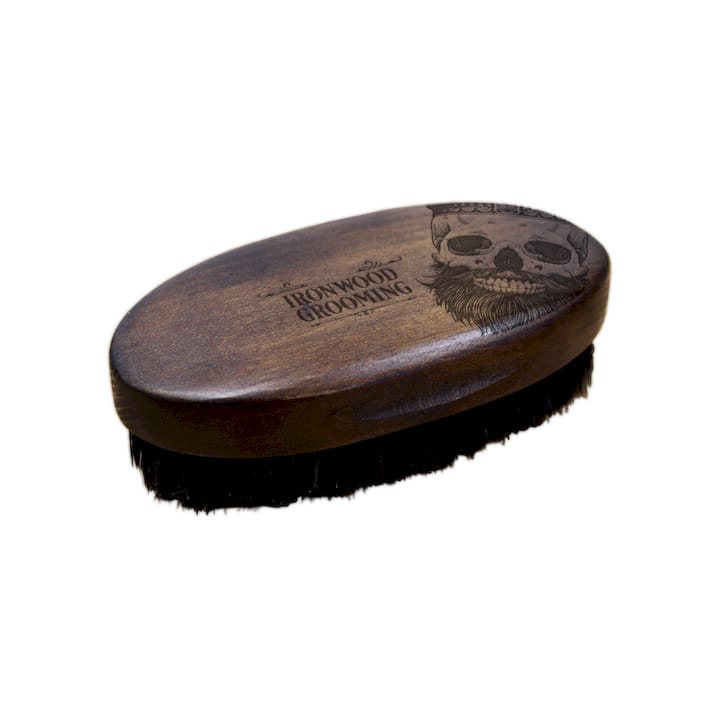
The Ultra Soft Beard Wash goes in at step one: a hydrating, sulfate-free wash that cleans without stripping the natural oils your beard needs to stay soft. The King Beard Oil follows immediately after patting dry, delivering long-lasting moisture that doesn’t leave a greasy residue. The Hardwood Beard Boar Brush finishes the routine, distributing oil evenly and training coarse hair to lie flat over time.
All three products are available now at Ironwoodgrooming.com. If you’re starting from scratch, these three cover every step of the daily routine that actually produces results.
Sources
- Healthy beard: Skin care secrets | American Academy of Dermatology Association
- How to soften beard hair — Healthline
- How to soften your beard | GQ

