


The best vegan alternatives to lanolin for beard care are orange wax, Plantsoft™ L and Lux, candelilla wax, shea butter, and jojoba oil. Each one replicates lanolin’s core job: sealing moisture into both the hair shaft and the skin underneath, without a single animal-derived ingredient. Here is a quick breakdown of what each brings to your beard:
- Orange wax (derived from orange peels): a direct 1:1 lanolin substitute with strong emollient properties and a light, clean scent
- Plantsoft™ L and Lux: plant-based wax systems designed to replace a significant portion or all of animal lanolin in cosmetic formulas, preserving the same creamy texture and moisture retention
- Candelilla wax: a firm plant wax that conditions beard hair, controls frizz, and protects the skin barrier
- Shea butter (Butyrospermum Parkii): deeply moisturizes and softens coarse beard hair while reducing itchiness
- Jojoba oil: mimics the skin’s natural sebum, making it one of the most skin-compatible carrier oils in any lanolin free beard balm
These plant-based ingredients are the foundation of every credible vegan beard grooming product on the market in 2026.
Table of Contents
- What is lanolin and why should you consider vegan alternatives?
- Common plant-based lanolin alternatives and their properties
- How to use vegan lanolin alternatives effectively in your beard care routine
- Expert insight: Ironwoodgrooming’s approach to vegan beard care
- Ironwoodgrooming vegan beard butters: built for men who mean it
- Key Takeaways
What is lanolin and why should you consider vegan alternatives?
Lanolin is a waxy substance secreted by sheep’s sebaceous glands, harvested during wool processing. In beard care, it works as a powerful emollient: it fills gaps in the hair cuticle, repairs the skin barrier, and locks in moisture for hours. The problem is that it is animal-derived, which puts it off the table for anyone following a vegan lifestyle or concerned about cruelty-free sourcing.
Beyond ethics, there is a practical reason to look at plant-based options. Lanolin is one of the more common contact allergens in cosmetics, with published research linking it to sensitization in some individuals. Switching to botanical alternatives removes that risk entirely for most people. Demand for vegan beard care has risen steadily alongside growing awareness of animal welfare and sustainability, and formulators have responded with plant-derived ingredients that match lanolin’s performance without the drawbacks.
Common plant-based lanolin alternatives and their properties
Orange wax
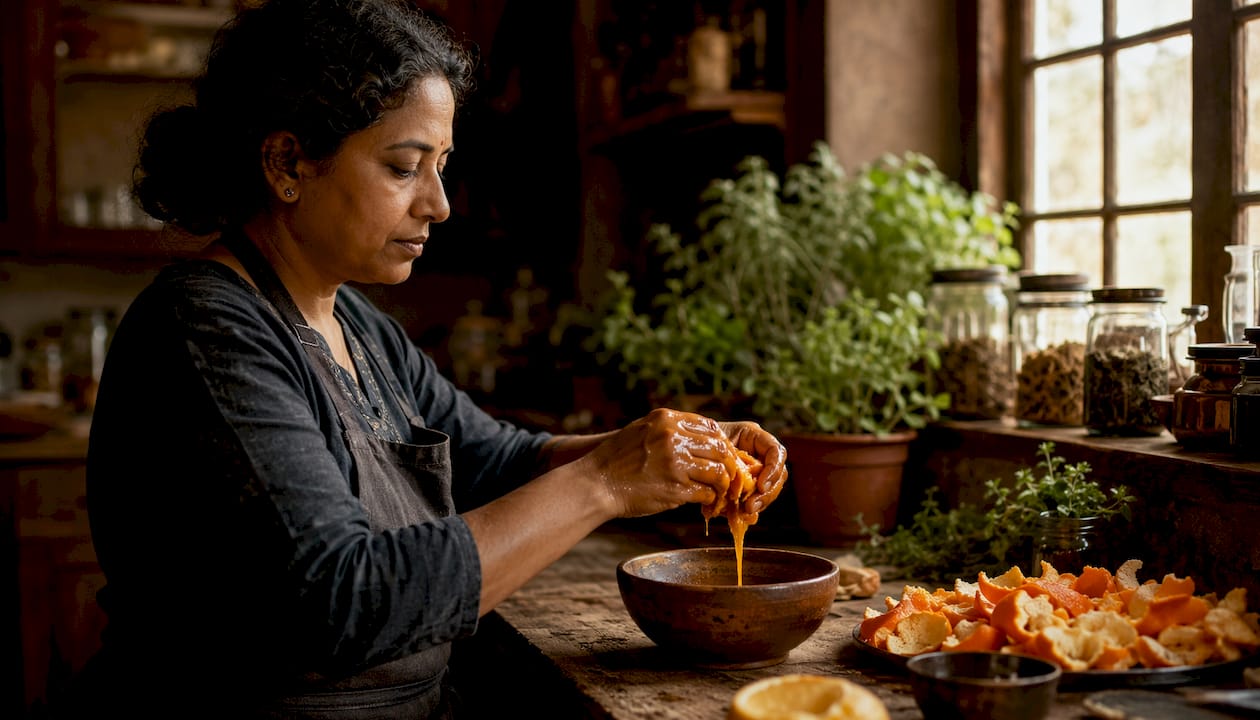
Orange wax is extracted from orange peels and is often marketed directly as “vegan lanolin” because of how closely it mirrors lanolin’s emollient behavior. You can swap it into any beard balm or butter formula at a 1:1 ratio with no reformulation headaches. It leaves a soft, non-greasy finish and carries a faint citrus note that fades quickly.
Plantsoft™ L and Lux
Plantsoft™ L and Lux are purpose-built plant-based wax systems formulated to replace lanolin at rates from 50% up to 100% in cosmetic products. They protect the sensory properties of hair care formulas, meaning your beard butter keeps that smooth, rich feel without any animal wax. For formulators, these are the closest functional match to lanolin currently available.
Candelilla wax
Candelilla wax comes from the Euphorbia cerifera shrub native to northern Mexico. It has a higher melting point than lanolin or beeswax, which means it adds firm hold to beard waxes and balms while deeply conditioning the hair cuticle. It also controls static and frizz, making it a strong choice for coarse or unruly beards. Precise temperature control during formulation is critical to avoid a gritty texture in the finished product.
Shea butter and jojoba oil
Shea butter and jojoba oil are the workhorses of plant-based beard care. Shea butter delivers soothing, nourishing, and antioxidant benefits, and its fatty acid profile closely resembles the lipids found in healthy skin. Jojoba oil is technically a liquid wax, not an oil, which is why it absorbs so cleanly without clogging pores. Together, they form the backbone of most quality cruelty-free beard oils and butters.
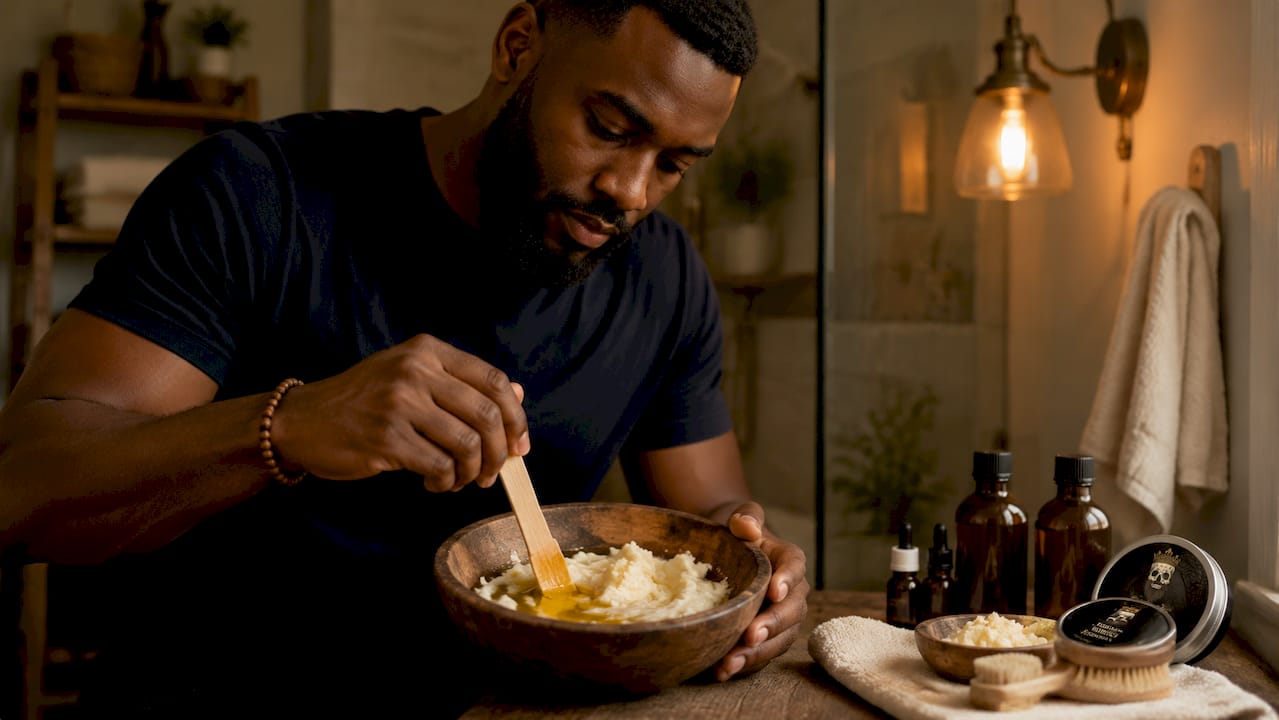
Pro Tip: When combining shea butter with candelilla wax in a beard balm, keep candelilla at or below 10% of the total formula. Too much tips the texture from smooth to waxy and hard.
Allergen awareness
Some individuals react to natural plant waxes or essential oil blends used in vegan beard products. Patch testing any new formula before full application is worth the extra step, especially if you are switching from a lanolin-based product. Botanical blends used in beauty rituals can include compounds like eugenol or citral that occasionally trigger sensitivity in people with reactive skin.
How to use vegan lanolin alternatives effectively in your beard care routine
Getting the most from plant-based beard products comes down to application technique as much as formula quality.
- Start with a clean beard. Wash with a gentle beard shampoo to remove buildup. Plant-based waxes and butters absorb better into clean hair.
- Apply to a damp beard. Moisture activates emollients. Pat your beard dry but leave it slightly damp before applying any balm or butter.
- Warm the product between your palms. Shea butter and plant wax blends melt at body temperature. A few seconds of friction turns a firm scoop into a workable, even coat.
- Work from root to tip. Press the product into the skin first, then distribute through the length of the beard. This feeds the follicle and the hair shaft in one pass.
- Use a beard comb or brush to distribute evenly. A boar-bristle or vegan fiber brush spreads the product and lifts the hair for a fuller, groomed appearance.
For daily maintenance, a pea-sized amount of beard butter is usually enough for a short to medium beard. Longer, coarser beards may need a slightly larger amount, particularly in dry winter months when moisture loss accelerates.
Reading ingredient labels to spot vegan alternatives
Knowing the INCI names helps you identify vegan products quickly on any label:
- Euphorbia Cerifera Cera: candelilla wax
- Citrus Aurantium Dulcis Peel Wax: orange wax
- Butyrospermum Parkii Butter: shea butter
- Simmondsia Chinensis Seed Oil: jojoba oil
- Tocopherol: vitamin E (plant-derived stabilizer)
If you see “Lanolin” or “Wool Wax” on a label, the product is not vegan. Any of the INCI names above in its place confirms a plant-based formula.
Expert insight: Ironwoodgrooming’s approach to vegan beard care
Ironwoodgrooming builds every vegan beard butter from cold-pressed plant butters and oils, stabilized with vitamin E for shelf stability and smooth texture. The small-batch production model means no fillers, no shortcuts, and no compromise on the moisture performance you need for a coarse beard in any climate.
“Premium vegan beard care is not about what you leave out. It is about choosing plant-based ingredients that work harder than their animal-derived counterparts. When you combine cold-pressed shea butter, argan oil, and vitamin E in the right ratios, you get long-lasting moisture without the greasiness that lanolin can sometimes leave behind. That is the standard we hold every Ironwoodgrooming formula to.” — Ironwoodgrooming formulation philosophy
The Eviden Vegan Beard Butter uses Butyrospermum Parkii, argan oil, and vitamin E to deliver exactly that: soothing, nourishing, and antioxidant-rich moisture that holds up through a full day. Customers with coarse, irritation-prone beards consistently report that the formula softens without leaving residue, which is the exact performance gap that plant-based alternatives close when they are formulated with care.
Pro Tip: Vitamin E (Tocopherol) does double duty in vegan beard butters. It stabilizes the plant oils against oxidation, extending shelf life, and it nourishes the skin underneath your beard at the same time.
Ironwoodgrooming vegan beard butters: built for men who mean it
You have done the research. You know what works. Now you want a formula that actually delivers it, made by people who care about the same things you do: clean ingredients, American craftsmanship, and real results for real beards.
Ironwoodgrooming’s vegan beard butter lineup gives you three distinct options. The Authentic Vegan Beard Butter is the go-to for daily moisture and softness. The Westerly Vegan Beard Butter brings a natural oils blend designed to hydrate without weighing the beard down. The Eviden Vegan Beard Butter adds argan oil and vitamin E for men dealing with coarse texture or persistent dryness. All three are handcrafted in small batches, free from animal derivatives, and built to perform from the boardroom to the backcountry. Shop the full vegan beard butter collection at Ironwoodgrooming and find the formula that fits your beard.
Key Takeaways
Plant-based emollients like orange wax, Plantsoft™, candelilla wax, shea butter, and jojoba oil replicate lanolin’s moisturizing and protective functions in vegan beard care products without any animal derivatives.
| Point | Details |
|---|---|
| Orange wax substitutes 1:1 | Orange wax replaces lanolin at an equal ratio in beard balms and butters with no reformulation needed. |
| Plantsoft™ covers 50–100% replacement | Plantsoft™ L and Lux replace between 50% and 100% of animal lanolin while preserving creamy texture. |
| Candelilla wax needs temperature control | Keep candelilla wax at or below 10% in balm formulas and control heat carefully to avoid a gritty finish. |
| Read INCI names on labels | Look for Euphorbia Cerifera Cera, Citrus Aurantium Dulcis Peel Wax, or Butyrospermum Parkii to confirm vegan formulas. |
| Ironwoodgrooming vegan butters | The Authentic, Westerly, and Eviden Vegan Beard Butters deliver lanolin-free moisture for coarse beards, handcrafted in small batches. |

