


Choose a glycerin-rich shaving soap for daily comfort and hydration, and a non-foaming shaving gel when you need speed, precision, or hard-water reliability. Coarse beards do best with soap plus a pre-shave oil. Travelers and edge-liners lean gel. Board-certified dermatologist guidance backs both formats when paired with sharp blades and patience, a standard held in every recommendation below.
TL;DR:
- Using glycerin-rich soap provides the best hydration and cushion, especially with proper whipping and adequate dwell time, but requires technique and soft water.
- Gel performs better in hard water, offering faster application, clearer lines for edging, and more consistent slickness in mineral-heavy tap water.
- Sensitive and dry skin benefit from fragrance-free soap and moisturizers, while coarse beards respond well to pre-shave oil paired with soap or cream.
- Fixting a grabby shave involves adding water to soap or rewetting skin for gel, while dull blades cause more irritation than product choice.
- Proper technique, including dwell time, sharp blades, and gentle strokes, significantly impacts shave quality regardless of format.
Table of Contents
- Shaving Gel vs. Soap: How Each One Actually Works on Your Face
- Pros, Cons, and Quick Fixes for a Grabby Shave
- How to Get a Better Shave With Soap or Gel
- Which Format Fits Your Skin and Beard?
- Your Next Shave, Sorted by Scenario
- What the Research Actually Tells Us
- Build a Shave Routine That Actually Protects Your Skin
- Sources
Shaving Gel vs. Soap: How Each One Actually Works on Your Face
The fight between soap and gel comes down to chemistry, and once you understand it, the rest of your shave gets easier.
Shaving soap works through saponified fats and glycerin. Whip it with a brush and water, and it builds a lather that traps air and moisture against your skin. That glycerin pulls water into your beard hair, softening it before the blade ever touches it. Done right, soap produces the best hydration and cushion of any format, but the result depends entirely on your water ratio and how long you whip it.
Shaving gel skips the whipping. It relies on a polymer-based lubricant that forms a thin, slick film over your skin the moment you spread it. That film doesn’t hydrate hair the way glycerin does, but it holds up in hard-water conditions that collapse fatty-acid foams into a chalky mess. If your tap water is mineral heavy, that’s a real advantage.
Here’s how the two stack up on what actually matters during a shave:
- Slickness and glide: Gel wins early, soap catches up once lather builds properly.
- Cushion: Soap holds more air and cushions closer shaves against irritation.
- Hydration: Soap’s glycerin softens hair more effectively than gel’s polymer film.
- Hard-water stability: Gel resists mineral interference; soap can turn draggy in hard water.
- Visibility for edging: Gel’s clear or translucent texture shows the line you’re cutting.
- Cost per shave: Soap pucks last longer and cost less per use over time.
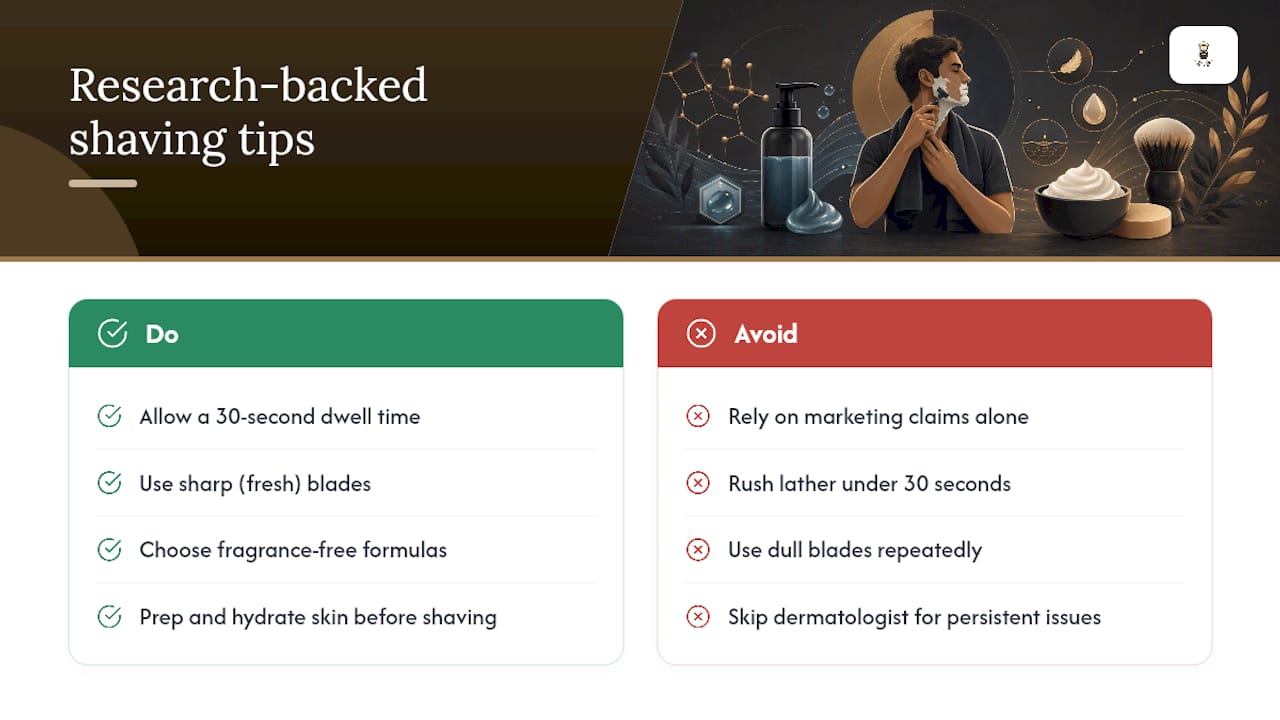
One habit improves both formats more than any product swap: let whatever you apply sit for about 30 seconds before the first pass. That dwell time softens hair further and cuts drag, no matter which side of this debate you land on.
Pros, Cons, and Quick Fixes for a Grabby Shave
Every format has a weak spot. Knowing yours in advance saves you from nicking your jaw mid-lather.
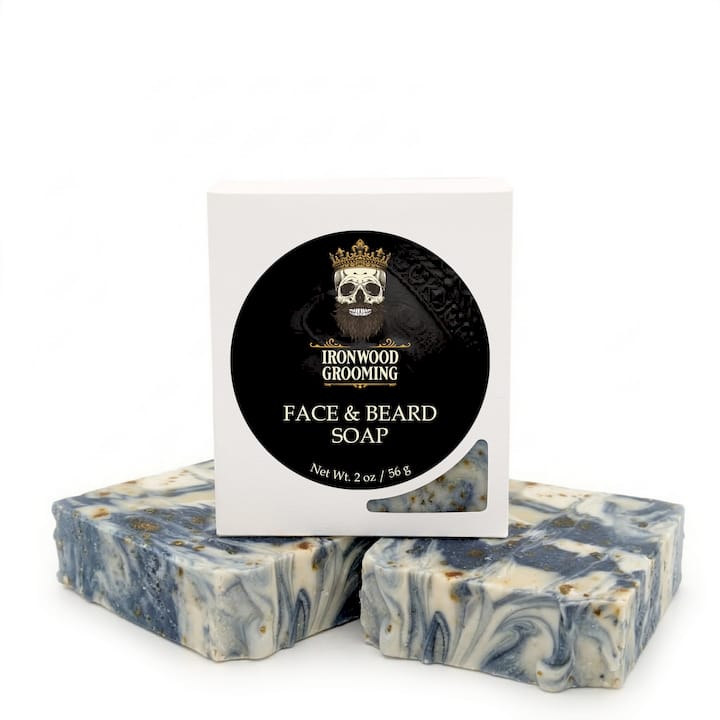
Shaving soap rewards patience. You get denser cushion, real glycerin hydration, and a lower cost per shave since a single puck lasts months. The tradeoff: it demands technique. Too little water and you get a draggy, bubbly mess instead of a glossy lather, and it can lose consistency fast in hard water.
Shaving gel rewards speed. You get sharper visibility for lines and edges, faster application, and steady performance in hard water since polymer films resist mineral interference that wrecks foam. The tradeoff: less cushion, and some canned gels lean on synthetic ingredients that can leave sensitive skin tight or dry.
If something feels off mid-shave, fix it on the spot:
- Soap feels draggy? Add a few more drops of water and rework the lather until it turns glossy, not bubbly.
- Gel feels dry or thin? Wait another 20 to 30 seconds, rewet your skin, or layer a thin balm over it.
- Still grabbing after adjustments? Check your blade. A dull edge causes more irritation than either product ever will.
Pro Tip: A glossy, wet-looking lather is your target with soap. If it looks fluffy or bubbly like whipped cream, you’ve under-watered it, and that’s the number one cause of “draggy soap” complaints.
How to Get a Better Shave With Soap or Gel
Technique separates a good shave from a bloody one, and the two formats call for slightly different sequences.
With soap:
- Soak your brush in warm water for a minute, then shake out the excess.
- Load the brush on the puck and add water gradually while whipping in circles until the lather turns glossy.
- Apply in circular strokes to build a thick layer over your beard.
- Let it sit roughly 30 seconds before your first pass.
- Shave with light, short strokes, rinsing the blade often.
With gel:
- Wet your face with warm water to open pores and soften hair.
- Spread a thin, even layer of gel, avoiding a thick coat that hides your skin.
- Give it a short dwell time if you can spare it, especially on coarse patches.
- Shave with fewer, more deliberate passes since gel offers less cushion for correction.
- Reapply a small amount for detail work like sideburns or a mustache line.
Rinse your brush thoroughly after every soap shave and hang it bristle down to dry. Ironwood Grooming’s wet-shaving guide walks through brush maintenance in more depth if you’re building a full routine. Finish either method with a non-greasy moisturizer to lock in whatever hydration your shave provided.
Which Format Fits Your Skin and Beard?
Your skin type and beard density matter more than brand loyalty here.
- Sensitive or reactive skin: Start with a fragrance-free soap or cream. Canned gels often carry propellants and synthetic emulsifiers that aggravate sensitive skin, while a mild soap keeps the ingredient list short.
- Dry skin: Glycerin-rich soap wins on hydration, but pair it with a fragrance-free aftershave balm to seal in moisture afterward.
- Oily skin: Gel’s lighter film won’t clog pores the way a heavy cream can, making it a practical daily option.
- Coarse or dense beards: Add a pre-shave oil before soap or cream. That combination softens coarse hair better than gel alone and cuts down on the number of passes you need.
- Acne-prone skin: Avoid anything heavily fragranced regardless of format, and keep your brush or applicator clean between uses.
Dermatologist guidance consistently points to fragrance-free formulas and sharp technique as the biggest levers for reducing irritation, more so than the soap-versus-gel choice itself. If you’re unsure where to start, Ironwood Grooming’s breakdown of skin barrier grooming product types is a useful next read. The rule of thumb: default to a mild soap or cream, and reserve gel for edging or travel days when speed matters more than cushion.
Your Next Shave, Sorted by Scenario
- Daily commuter: A fragrance-free soap gives you the best cost per shave and consistent hydration over months of use.
- Frequent traveler: Gel’s compact tube and hard-water reliability make it the easier pick for hotel bathrooms.
- Precision trimmer or edger: Gel’s clarity lets you see the line you’re cutting, which soap’s opaque lather can’t match.
- Wet-shave enthusiast: Soap rewards the ritual, especially paired with a quality brush and a few extra minutes.
Test whichever format fits your scenario for two to four shaves before judging it. Technique adjustments, not product swaps, fix most complaints. If hydration and sensitive-skin comfort top your list, consider an aftercare lineup designed to complement either format.
What the Research Actually Tells Us
Most grooming marketing overstates the gap between these formats. The real difference between soap, cream, and gel is smaller than the packaging suggests; the bigger wins come from dwell time, blade sharpness, and picking fragrance-free formulas when your skin runs sensitive.
Experience in building products for coarse beards and reactive skin shows that hydration problems rarely start with the shaving product itself. They start with skipped prep, dull blades, or a lather rushed past the 30-second mark. Persistent redness, bumps, or ingrown hairs that don’t resolve after adjusting technique are worth a visit to a dermatologist rather than another product swap.
— Robert
Build a Shave Routine That Actually Protects Your Skin
Whichever format you land on, the shave is only half the equation. What you put on your skin and beard afterward decides whether that hydration actually sticks. Ironwood Grooming built its Majestic Beard Bundle around exactly that gap: a hydration-focused lineup that works whether you’re building lather with soap or gliding through with gel, without leaving your skin greasy or your beard stiff. For coarse beards especially, pairing the right pre-shave prep with the right aftercare closes the loop that soap or gel alone cannot. Check out the Majestic Beard Bundle to build a routine around whichever shaving format you chose today, and give it two to four shaves before you decide it’s working.
Sources
- Shaving Cream vs Gel vs Soap: What Science Says Actually Works Best - Smart Shave
- Shaving Soap vs Cream vs Gel: What Actually Protects Your Skin When You Shave Every Day - The Good Men Project

