


The fastest safe way to detangle a beard is to start with clean, slightly damp hair, work in a few drops of beard oil for slip, then comb small sections from the ends toward the roots with a wide-tooth comb. Finish with a boar-bristle brush to smooth everything down. Never force a comb through dry, unconditioned hair. That’s where breakage starts.
TL;DR:
- Using small sections and micro-sectioning reduces pulling and breakage, especially for coarse, wiry beards that grow in conflicting directions.
- Applying beard oil while the beard is damp provides necessary slip, preventing friction and minimizing damage during detangling.
- Combining a wide-tooth comb made from wood or cellulose acetate with a boar-bristle brush offers optimal results and reduces static and split ends.
- Regular routine habits, including daily light oil application and weekly deep conditioning, prevent knot formation and maintain beard health.
- Avoid detangling dry hair, using plastic combs, and over-brushing, as these mistakes significantly increase hair breakage and follicle irritation.
Table of Contents
- Pre-Detangling Checklist: What You Need Before You Start
- The Right Tools and Products for Detangling
- Step-by-Step: How to Detangle a Coarse Beard the Right Way
- Building a Routine That Prevents Tangles Before They Start
- Stubborn Knots, Common Mistakes, and When to Stop
- What Robert Has Learned Detangling Coarse Beards for Years
- Why This Routine Works, and What to Expect
- Get Your Detangling Kit From Ironwoodgrooming
- Sources
Pre-Detangling Checklist: What You Need Before You Start
Before you touch a comb to your beard, get your setup right. Coarse and wiry beards fight back when you skip prep, and rushing this stage is the number one reason guys end up yanking out hair instead of working it loose.
Run through this short list first:
- Wash with a gentle beard wash (skip harsh bar soap or head-and-body shampoo, which strips natural oils and makes hair brittle).
- Towel-pat, don’t rub. Rubbing a wet beard with a towel roughs up the cuticle and tangles hair further.
- Lay out your tools: a microfiber towel, a wide-tooth comb, and a boar-bristle brush, all within reach before you start.
- Apply beard oil or a leave-in conditioner while the beard is still damp. This is the slip that lets a comb glide instead of catch.
- Grab a heat protectant and a low-heat dryer if you plan to speed up drying, but only as an optional last step.
Skipping the oil step is the most common mistake. Dry hair against dry hair creates friction, and friction is what snaps strands and pulls at the follicle. A gentle cleansing routine also protects the skin underneath, which matters more than most guys realize once a beard passes the six-month mark.
The Right Tools and Products for Detangling
Not every comb or brush does the same job, and using the wrong one is how a five-minute routine turns into a fifteen-minute fight. Wide-tooth combs made from wood or cellulose acetate glide through knots with far less static than the cheap plastic combs sold at drugstores, which grab hair and generate the kind of friction that leads to split ends. Editorial grooming coverage consistently points to wood and cellulose acetate as the materials that hold up best against coarse, wiry hair.
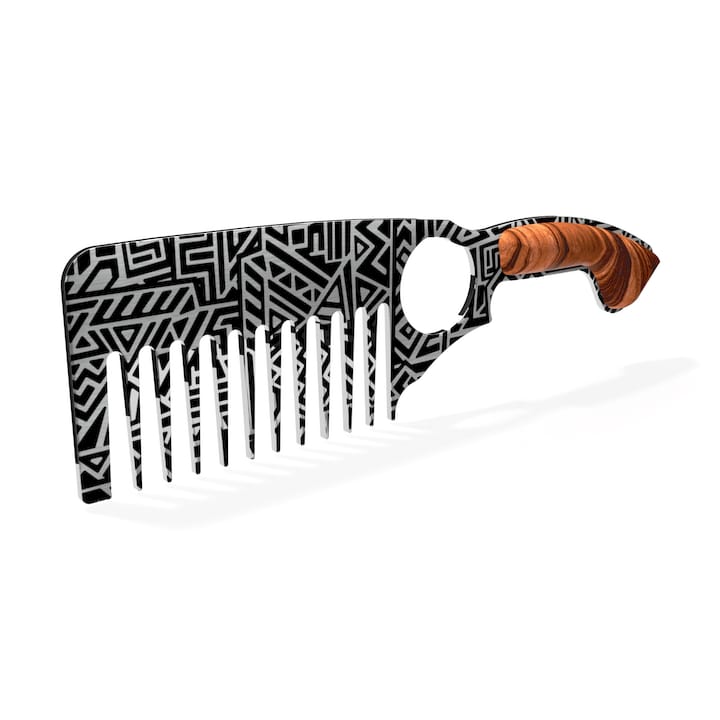
Boar-bristle brushes work differently. They’re built to distribute natural oils down the length of shorter to medium beards and smooth the surface after the heavy detangling is done. They’re not made for breaking up mats. Save the brush for after the comb has done its work.
Product choice matters just as much as the tool. Beard oil gives you the most slip and the lightest feel, ideal for daily detangling. Beard butter adds more hydration and a touch of hold, better suited to drier climates or beards that dry out fast. A leave-in conditioner sits between the two, built specifically for slip during the detangling process itself.
For a full setup, Ironwoodgrooming’s lineup covers every step:
- Ultra Soft Beard Wash for a gentle, non-stripping clean.
- Authentic Essential Beard Oil, Eviden Essential Beard Oil, or Crown Beard Oil for slip and hydration, depending on scent preference and skin sensitivity.
- Deer Beard Comb or Stainless Moustache Comb for combing through knots and detail work around the mustache.
- Majestic Beard Bundle if you want the wash, oil, and comb bundled together as a starter kit.
Pro Tip: If your beard tangles under the chin more than anywhere else, that’s usually the driest, most neglected patch. Give it two extra drops of oil and comb it separately before working the rest of your beard.
Step-by-Step: How to Detangle a Coarse Beard the Right Way
This is the exact sequence to follow, in order. Skipping a step is how coarse and wiry beards end up over-brushed and frizzed instead of smooth.
- Wash first. Use a beard wash like Ultra Soft Beard Wash, rinse with warm (not hot) water, then pat dry with a microfiber towel. Detangle while the beard is still slightly damp, not soaking wet and not bone dry.
- Apply beard oil. Apply beard oil in an amount appropriate to your beard length, adjusting as needed for short, medium, or longer beards. Rub it between your palms first, then work it in with your fingers from roots to ends.
- Section and comb. Divide the beard into small sections. If you hit a serious knot, tease it apart gently with your fingers before the comb ever touches it. Then comb starting at the ends and working up toward the roots, section by section. Going root to tip first is what causes the most breakage, since you’re dragging a knot’s full resistance through hair that hasn’t been loosened yet.
- Use heat only if needed. If you’re drying and detangling at the same time, use a blow dryer on its lowest heat setting, apply a heat protectant first, and comb through each section as you dry it. Never blast a knot with high heat trying to “melt” it loose.
- Finish with a boar-bristle brush. Once every section combs through cleanly, brush the whole beard to distribute oils and smooth the surface. Add a small amount of styling wax or mustache wax at this point if you want extra hold or shape.
Community grooming advice converges on a simple formula worth remembering: damp, plus slip, plus small sections, equals fewer knots and less breakage. This is echoed across beard grooming forums and community discussion, and it holds true whether your beard is curly, straight, or somewhere in between.
Straight beards tend to detangle fastest since the hair lies flatter with less overlap. Curly and coarse beards need more sectioning and more passes, since each curl or coil creates another point where strands can loop around each other. Wiry beards, the kind that seem to grow in every direction at once, benefit most from the finger-teasing step. Never skip that part on a wiry beard. The comb alone won’t cut it.
Building a Routine That Prevents Tangles Before They Start
Detangling gets easier every week you stick with a routine, and eventually it stops feeling like a chore at all. The goal is to catch small knots before they become mats.
Daily habits matter most. A thirty-second comb-through in the morning, paired with a light reapplication of oil, keeps natural oils distributed and stops loose hairs from wrapping around each other overnight.
Weekly habits fill in the gaps daily care misses. Once a week, use a deeper conditioning treatment or leave-in product, and check for split ends that need a trim. Grooming reviews on hair and scalp biology back up what most barbers already tell clients: conditioned hair with a healthy cuticle simply tangles less than dry, over-processed hair.
Nightly habits protect the progress you made that day:
- Switch to a silk or satin pillowcase. Cotton pulls at hair overnight and reverses hours of careful detangling.
- If your beard is long enough to bunch up under your chin while you sleep, a loose beard tie keeps it from twisting into knots by morning.
- In dry climates, a humidifier in the bedroom helps prevent the brittleness that leads to breakage.
For split ends specifically, a trim every four to six weeks keeps damaged tips from splitting further up the shaft and tangling with healthy hair around them.
Stubborn Knots, Common Mistakes, and When to Stop
Some knots don’t budge on the first pass, and that’s normal, especially at the jawline and under the chin where hair grows in conflicting directions. When you hit resistance, stop pulling immediately. Continued force against a stuck comb is how strands snap or, worse, how you irritate the follicle underneath and cause a red, sore patch that lasts for days.

Instead, back off, add another drop of oil directly to the knot, and use your fingers to loosen it in small pinches before trying the comb again.
A few mistakes cause more damage than the tangle itself:
- Detangling completely dry hair. No oil, no water, no slip. This is the single biggest cause of unnecessary breakage.
- Using thin plastic combs. They generate static and snag far more than wood or cellulose acetate.
- Over-brushing. Repeated brushing past the point of smoothness just stresses hair that’s already been worked enough.
If you’re using low heat to speed up drying, keep bursts short, always apply a heat protectant first, and never hold a dryer in one spot. And if you notice ongoing redness, bumps, or irritation under the beard, pause the routine and check with a barber or dermatologist before continuing. Sensitive skin underneath a coarse beard is common, and it’s not something to push through.
What Robert Has Learned Detangling Coarse Beards for Years
Robert, who writes for the Ironwoodgrooming blog, leans on one technique above all others for tough, wiry beards: micro-sectioning. Instead of dividing a beard into three or four large sections, break it into ten or twelve smaller ones. Each pass takes less force, which means less pulling on the skin underneath.
Customers with coarse, fast-growing beards consistently report that a heavier hand with oil, paired with smaller sections, cuts their detangling time by more than half within a few weeks.
Why This Routine Works, and What to Expect
Slip and sectioning matter more for coarse beards because coarse hair has more surface area per strand, which means more friction points where knots form in the first place. Small, consistent changes, an extra drop of oil here, a shorter section there, compound over a few weeks into a beard that simply tangles less to begin with.
Don’t expect a flawless comb-through on night one. Give the routine two to three weeks, adjust your oil amount as you go, and pay attention to which sections of your beard need more attention than others.
— Robert
Get Your Detangling Kit From Ironwoodgrooming
If you want the shortest path from tangled to smooth, start with a simple three-piece setup: Ultra Soft Beard Wash for a clean base, Authentic Essential Beard Oil for the slip that makes combing painless, and the Deer Beard Comb to work through knots without the static and snagging you get from plastic combs. Every formula is handcrafted in small batches with plant-based ingredients, built specifically for coarse and wiry beards that fight back against lesser products.
If you’d rather skip the guesswork of building your own kit, the Majestic Beard Bundle packages the wash, oil, and comb together at a better value than buying each piece separately. It’s the fastest way to get every tool this routine calls for in one order.
Orders ship with standard return coverage if a scent or formula isn’t the right match for your skin. Pick your bundle, apply the routine tonight, and check your beard again in two weeks.
Sources
This routine draws on grooming guidance from the American Academy of Dermatology, tool recommendations from Esquire, and research on nutrition’s role in hair strength from Harvard Health. For more on building out a full routine, read how to make a beard soft or explore beard conditioning routines for every schedule type.
- Hair care and hair health review (NCBI/PMC)
- How to keep a healthy beard | American Academy of Dermatology
- Best beard brushes (Esquire)

